


North Carolina Solar Incentives and Tax Credits: What Homeowners Can Claim in 2026
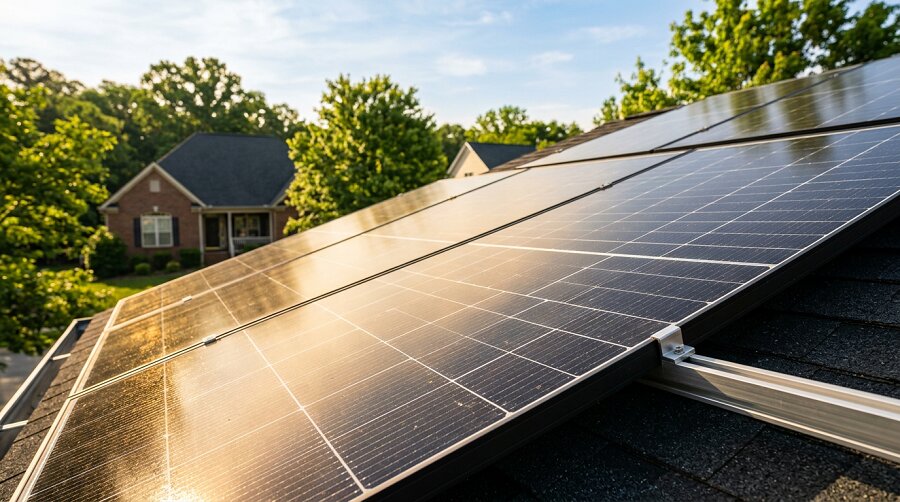
If you're considering solar panels for your North Carolina home in 2026, it's smart to understand the incentives and tax credits available to you. With changes to both federal and state programs, the benefits can directly affect your upfront costs and long-term savings. From tax breaks to utility bill credits, you have a variety of options to lower your investment. But knowing exactly what you qualify for—and how to claim it—can make all the difference.
Federal Solar Tax Credits for North Carolina Homeowners
North Carolina homeowners have the opportunity to benefit from the 30% Federal Solar Tax Credit, applicable to rooftop solar installations and battery storage systems that are completed by December 31, 2025. To qualify for this tax credit, homeowners must ensure their energy systems are placed in service by the specified deadline. This incentive is administered through the IRS and is designed to help reduce the initial capital costs associated with solar energy installations.
Additionally, customers of Duke Energy and Progress have the potential to optimize their financial benefits through available panel incentives, net bill credits, and various rebates. Homeowners who install battery storage systems may also claim the same federal tax credit, which can be particularly relevant for those considering electric vehicle charging installations or enhancements related to virtual power plant upgrades.
Furthermore, geothermal heat pumps are included under this tax benefit framework, providing direct investment tax credits to homeowners exploring options for energy-efficient heating and cooling systems.
For further guidance on maximizing these incentives and understanding the potential cost savings, it is advisable to reach out to the North Carolina Office or consult relevant resources. This approach allows homeowners to make informed decisions regarding their energy investments while capitalizing on available financial incentives.
State and Local Solar Incentives Available in 2026
In 2026, while North Carolina does not offer a state solar tax credit, homeowners can still take advantage of various state and local incentives for solar energy installations. One notable incentive is Duke Energy's PowerPair rebates, which provide up to $9,000 for customers who install solar systems with battery storage.
However, it's important to note that these incentives may not be universally available to Progress Energy customers.
To access these benefits, new solar systems must be installed and activated within the specific time frame set by the utility programs. Homeowners are advised to remain enrolled in utility programs such as the NC Residential Solar Choice Rider, which can further enhance savings.
It is also recommended that individuals consult official resources, including the Internal Revenue Service (IRS) and local government offices, to ensure they fully understand the available incentives and any associated direct bill credits each year.
This approach allows homeowners to navigate the complex landscape of solar incentives effectively and to optimize potential financial benefits from their solar investments.
Property and Sales Tax Impacts of Solar Installations
Investing in a solar installation for your home in North Carolina presents certain financial considerations related to property and sales taxes. The state offers a solar property tax exemption, which means that the value added to your property from a solar system will not result in an increase in property taxes. This can be viewed as a financial advantage for homeowners considering solar energy.
However, it is important to note that North Carolina does not exempt solar purchases from sales tax. Consequently, homeowners will be responsible for paying sales tax on the equipment, battery storage, and solar panels. This aspect can impact the overall cost of the solar installation.
Additionally, on a federal level, the Internal Revenue Service (IRS) has maintained a 30% investment tax credit for solar systems placed in service by the end of 2025. This tax credit can result in significant savings for homeowners, allowing them to recover a portion of the investment made in solar technology through annual tax returns.
Therefore, while the property tax exemption is a beneficial factor, homeowners should also consider the sales tax implications and the availability of federal tax credits as part of a comprehensive financial analysis when investing in solar installations.
Net Metering Policies and Options
To maximize the financial benefits of your solar installation beyond tax credits and exemptions, it is essential to understand the net metering policies in North Carolina. These policies allow homeowners to reduce their energy bills by earning credits when their solar systems generate more electricity than they consume.
Utility providers such as Dominion Energy, Duke Energy, and Blue Ridge offer various forms of net metering, each with distinct bill credits and terms applicable to installed systems. It is important to note that credits accrued may have expiration provisions, typically on an annual basis.
Therefore, it is advisable to familiarize yourself with the specific utility guidelines relevant to North Carolina homeowners to ensure that you fully understand how credits may impact your overall savings.
Additionally, compliance with the Internal Revenue Service (IRS) requirements for your solar installation is crucial for eligibility in these programs.
To navigate this landscape, engaging with the educational resources provided by your utility company can be beneficial. They can inform you about additional incentives and rebates that may contribute to cost savings associated with your solar investment.
Incentives for Solar Battery Storage
Solar battery storage incentives offer a practical means to enhance energy savings in conjunction with solar panel installations. In North Carolina, Duke Energy's PowerPair program provides a direct financial incentive, which includes rebates and other incentives amounting to as much as $9,000 for residential solar-plus-battery systems.
Additionally, consumers can participate in utility programs such as the Battery Control Program, which allows system owners to earn bill credits—limited to $91 per year—by providing energy back to the grid. This is a suitable option for both battery customers and those served by Progress Energy, but it is important to note that eligible systems must adhere to specified installation guidelines.
Furthermore, the federal tax credit allows homeowners to claim additional reductions in costs through the IRS. The incentives available include Tesla Powerwall rebates, investment tax credits, and various monthly utility credits that contribute to the overall savings associated with new battery storage technologies.
These incentives collectively provide a structured opportunity for cost reduction in energy consumption, benefiting both individual users and the wider energy grid. It is advisable for potential users to thoroughly evaluate the specific requirements and potential benefits of each incentive program.
Energy Efficient Home Upgrade Credits
Federal tax credits for energy-efficient home upgrades offer homeowners a means to mitigate costs associated with enhancing their property’s energy efficiency. In North Carolina, homeowners with equipped systems such as heat pumps, new electrical panels, or weatherization improvements may be eligible to claim direct financial incentives through these federal tax credits.
Specifically, the IRS permits a maximum credit of $2,000 for the installation of heat pump systems or heat pump water heaters. Additionally, homeowners can receive up to $1,200 for insulation improvements and $600 for the installation of new electrical panels.
Furthermore, a home energy audit, which assesses a property's energy efficiency, qualifies for a credit of $150.
These tax credits serve to reduce expenditures on energy-efficient upgrades and may include incentives for solar energy systems, battery storage, and utility bill credits for customers of Duke Energy and Progress Energy.
Overall, these financial incentives can play a significant role in promoting energy efficiency while providing homeowners with tangible savings.
Leading Solar Installers in North Carolina
A number of reputable companies operate in North Carolina, providing solar panels installation in NC to homeowners in cities such as Charlotte, Raleigh, Asheville, and Greensboro.
Selecting a leading installer in the region grants access to a range of home energy solutions, which may include battery storage systems, electric vehicle (EV) charging infrastructure, and heat pump installations.
Many of these top installers collaborate with Duke Energy and various utility programs, which can facilitate participation in initiatives like PowerPair.
Additionally, homeowners may be eligible for various incentives, including rebates for solar panel systems that are installed and operational.
Professional installers can also offer guidance on how to effectively utilize federal tax credits and net bill credits, as well as state-specific incentives, thereby helping homeowners reduce their annual energy costs.
It is important for prospective customers to conduct thorough research on available installers, their service offerings, and any applicable programs to ensure informed decision-making about solar energy investments.
Requirements for Eligibility and Enrollment
To qualify for solar incentives and tax credits in North Carolina, several steps must be undertaken. The process begins with submitting an interconnection application and enrolling in the Residential Solar Choice Rider, which allows for utility-based benefits.
It is crucial that the solar system is installed and operational before specific deadlines to be eligible for federal tax credits.
Additionally, if you are considering Duke Energy's PowerPair rebate, note that it requires the installation of approved battery storage and a reliable internet connection. The options for net metering may vary based on the installation dates of your solar system.
For detailed information regarding current bill credits, pump incentives, panel rebates, and direct pay provisions for nonprofit organizations, direct contact with your local utility office is advisable.
Furthermore, the Internal Revenue Service oversees the validation of investment tax credits; hence, it is important to review available resources within North Carolina to maximize potential savings.
Additional Resources for Solar Energy Savings
For homeowners in North Carolina considering solar energy options, there are various resources available to facilitate informed decision-making. The state offers free assessments that evaluate both solar energy and battery storage opportunities, assisting residents in aligning these solutions with their specific energy requirements.
Homeowners should connect with the North Carolina Office or local utility providers, such as Duke Energy, to learn about available incentives. These may include panel incentives, bill credits, and PowerPair rebates.
Additionally, resources are available that clarify federal tax credits and investment tax incentives, along with IRS guidelines for systems that have been installed and placed in service.
For those interested in heat pump rebates or electric vehicle (EV) and battery storage opportunities, direct contact with appropriate services will yield useful information.
It is also advisable to stay informed on net power savings and any additional updates that can contribute to annual cost savings in energy expenses for your home.
Conclusion
If you’re considering solar for your North Carolina home, take advantage of the wide range of incentives available in 2026. By using federal, state, and local programs, you can significantly reduce your upfront costs and boost long-term savings. Remember to check eligibility requirements and stay updated on policy changes, so you don’t miss out. With continued legislative support and expanding options, now’s a smart time to make solar part of your home’s energy solution.


