


Solar Pitfalls Virginia Homeowners Often Face — and How to Prevent Them
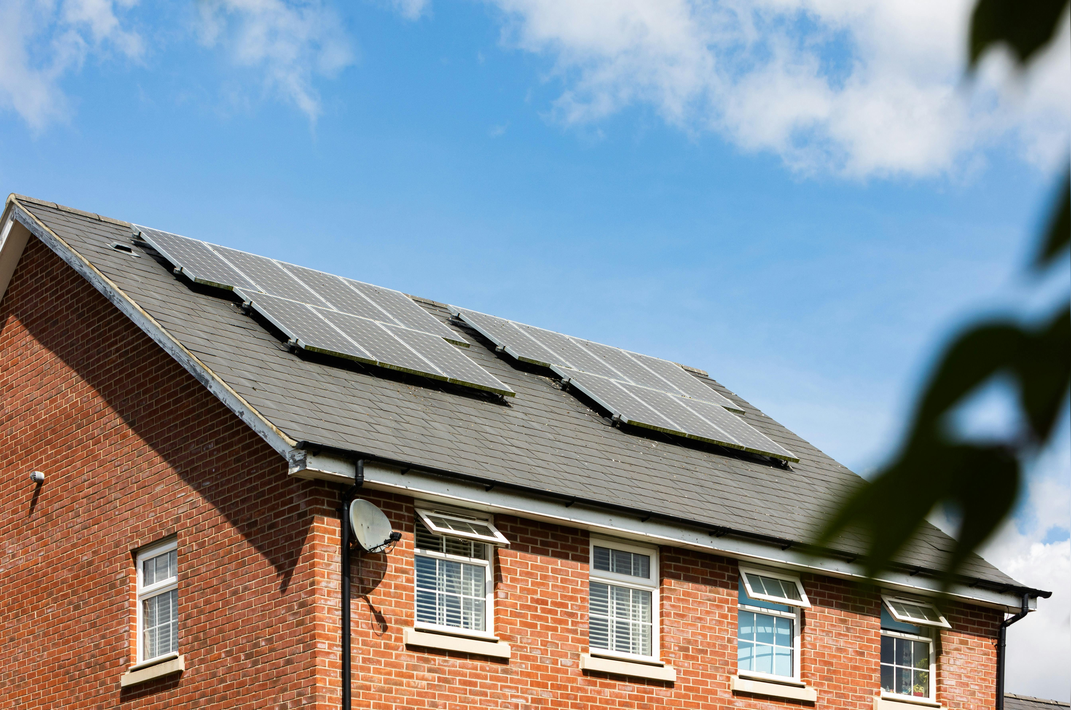
If you’re considering solar for your Virginia home, you’ll want to avoid costly mistakes that can limit your savings and cause frustration. From confusing HOA regulations to misunderstanding how panels perform in cloudy weather, there’s more to it than just picking a system and hoping for the best. The truth is, many homeowners overlook critical factors that could make or break their solar investment. Before you move forward, there are some key pitfalls you should watch out for.
Misunderstanding Solar Panel Efficiency During Cloudy Weather
While it is common to question the efficiency of solar panels during cloudy days in Virginia, it is essential to understand that these systems continue to operate effectively, even under reduced sunlight conditions. Research indicates that energy output from solar panels can decrease to about 10-25% of their maximum capacity on overcast days. Consequently, solar panel installations can still fulfill a significant portion of a household’s energy requirements.
Moreover, Virginia's climate features conditions that help keep solar panels relatively clean, which can enhance overall efficiency. Recent advancements in solar technology, such as bifacial solar panels, allow for increased energy generation by capturing sunlight from both sides of the panel, further optimizing performance in less-than-ideal weather.
For those considering solar energy, it is advisable to investigate various aspects such as installation processes, available tax credits, and financing options that may facilitate the transition to solar power. It may also be beneficial to learn more about solar panels in Virginia and share insights about solar energy with neighbors to raise awareness of its potential advantages.
For further information, resources are available for consultation, including links for contacting professionals, social media platforms, privacy policies, and related articles.
Overestimating the Upfront Cost of Solar Installations
Many homeowners in Virginia mistakenly believe that solar panel installations necessitate a significant upfront investment. However, it is important to note that the price of solar panels has decreased by more than 70% in recent years. This reduction has made solar energy a more viable option for many households.
Additionally, various financing options are available to assist homeowners in managing costs. Solar loans and Power Purchase Agreements (PPAs) allow individuals to start utilizing solar energy with reduced initial expenses, thereby distributing payments in a more manageable manner.
Homeowners can also take advantage of the 30% federal Solar Investment Tax Credit, which can substantially lower installation costs. Furthermore, the Solar Renewable Energy Certificate (SREC) program can provide ongoing financial incentives based on the energy produced by the solar system.
To navigate the decision-making process effectively, homeowners should familiarize themselves with available resources, review related content on relevant blogs, and engage with neighbors to share experiences regarding solar installations.
For more detailed information, individuals are encouraged to reach out directly through contact channels or explore privacy policies and professional social media platforms.
Believing Solar Panels Require Extensive Maintenance
Misconceptions about the maintenance requirements of solar panels are widespread; however, the reality is that these systems generally necessitate minimal upkeep after installation. In Virginia, the frequent rainfall can naturally assist in keeping solar panels clean, which reduces the need for manual cleaning. Most solar installations are constructed from durable materials and are accompanied by warranties that often span several decades, leading to lower maintenance demands than many homeowners anticipate.
When considering solar energy, it is important to note that the installation process is designed to be efficient and straightforward. With access to appropriate resources and information, homeowners can expect to address only limited concerns regarding ongoing maintenance.
It is advisable to consult informational posts and articles related to solar energy, as well as to explore available tax credit options. Engaging with neighbors who have experience with solar installation can also provide valuable insights.
Residents of Virginia can approach solar energy adoption with the understanding that it represents a long-term investment that typically requires less ongoing effort than often perceived.
Overall, the long-term benefits and relatively low maintenance needs make solar panels a viable option for homeowners considering alternative energy solutions.
Assuming Solar Energy Is Only for Environmental Advocates
The perception that solar energy is primarily of interest to environmental advocates may cause homeowners to overlook its practical advantages. In Virginia, solar panels represent a viable option for residential energy needs, independent of individual priorities related to environmental concerns.
Recent trends show that installation costs for solar energy systems have decreased by over 70% in the past few years, making them an economically sound choice for homeowners who seek to lower their energy expenses.
It is worth noting that various financing options are available to facilitate this transition. For example, the federal Solar Investment Tax Credit allows homeowners to deduct a significant percentage of the installation cost from their federal taxes, while Virginia's Solar Renewable Energy Certificate (SREC) program provides additional financial incentives.
For those considering solar energy, it is advisable to review relevant resources and maintenance tips, which are accessible on our blog.
Engaging with neighbors who have adopted solar energy can also provide practical insights and foster a sense of community support among homeowners in Virginia.
Navigating Homeowners Association Restrictions
If you reside in a neighborhood governed by a homeowners association (HOA), understanding the rules surrounding solar panel installations may be complex.
In Virginia, state law enables homeowners to install solar panels unless there are specific prohibitions officially documented by the HOA. Any reasonable restrictions imposed by the association cannot result in installation costs exceeding 5% more than standard expenses or diminish energy production by more than 10%.
It is advisable to thoroughly review your HOA’s governing documents before proceeding with a solar panel installation.
Engaging in discussions with neighbors can also be beneficial, as it may foster community support or help clarify any concerns related to the installation process.
For additional guidance, resources such as the MDV-SEIA Guide can provide valuable information.
Remaining informed on this topic can be further achieved by consulting relevant literature, including our Blog, Related posts, and our official LinkedIn page.
For more specific inquiries or further details regarding this matter, please refer to our Privacy Policy or get in touch with us directly.
Overlooking Available Financial Incentives for Solar Adoption
In Virginia, the interest in solar energy continues to grow, yet many homeowners remain unaware of the financial incentives that could significantly reduce the cost of solar installations. The federal Solar Investment Tax Credit allows homeowners to deduct 30% of their solar installation costs, providing a substantial upfront savings incentive.
Additionally, Virginia offers a property tax exemption that prevents the increase in home value resulting from solar panels from leading to higher property taxes.
Homeowners should also investigate local resources, as various counties may provide unique incentive programs that could further enhance financial savings. Furthermore, financing options such as solar loans and Power Purchase Agreements (PPAs) can be explored to alleviate the initial financial burden associated with solar installations.
Another avenue for potential revenue is through Solar Renewable Energy Credits (SRECs), which allow homeowners to earn income based on their solar energy production.
For a comprehensive understanding of the available financial incentives and to stay informed about best practices in solar installation, interested parties are encouraged to consult relevant blogs and resources within this domain.
Confusion About Net Metering Programs in Virginia
Navigating net metering programs in Virginia can be complex, particularly regarding eligibility and credit application processes. Homeowners should be aware that Virginia’s net metering policy allows individuals to receive a 1:1 credit for excess energy generated by solar panels, which can contribute to lowering overall electricity expenses.
To begin the process, it is essential to ensure that your solar panel installation complies with the relevant utility guidelines. Adhering to these standards can facilitate a smoother approval process. Engaging with neighbors who have experience in the system can provide practical insights, and utilizing available resources—including informative blogs and privacy policies—may further clarify any uncertainties.
It is also important to consider regular maintenance of the solar panel system, as proper upkeep can lead to enhanced performance and efficiency.
For additional information on the net metering process, financing options, and potential tax benefits, homeowners are encouraged to reach out directly or connect through professional networking platforms such as LinkedIn.
Insufficient Knowledge of Custom Solar System Designs
Homeowners frequently underestimate the significance of custom solar system designs when considering solar energy solutions for their residences. In Virginia, it is essential to adopt a tailored panel configuration that accounts for factors such as roof shape, sun exposure, and specific energy consumption patterns to achieve optimal energy efficiency.
Professional solar installers are equipped with the expertise to navigate this process, ensuring that the installation is both efficient and effective. An informed approach includes understanding your energy usage before selecting solar panels or financing options.
Engaging in discussions with installers and neighbors can provide additional insights into the suitability of different systems for your needs.
For further information, you may explore our resources, blog, related articles, or reach out to us directly.
It is also advisable to review our privacy policy and consider connecting with us on LinkedIn for ongoing updates and information regarding solar energy solutions.
Ignoring Battery Integration Options for Solar Systems
The increasing interest in solar energy among Virginians has highlighted the importance of battery storage in solar systems.
While solar panels can effectively generate electricity during daylight hours, the absence of battery integration can limit the utility of this energy when demand peaks, particularly in the evening or during cloudy days.
Expert installers in Virginia can assist homeowners in understanding battery storage options and the financing structures that may be available to them, including relevant tax credits and incentives.
Such integration not only improves energy independence but can also enhance overall system efficiency.
Proper installation and ongoing maintenance are crucial for ensuring that a solar system, with or without battery storage, operates at optimum capacity.
Homeowners looking to initiate installations can benefit from a variety of resources and guides available in related materials.
For further inquiries or to exchange experiences, homeowners are encouraged to engage with their communities or reach out through professional networks such as LinkedIn.
Selecting an Unreliable Solar Installer
Selecting a solar installer necessitates thorough evaluation, as the contractor's expertise and reputation can significantly influence both the efficiency and the long-term value of your solar system. Engaging a less reputable installer may compromise the quality of the installation, ultimately affecting your home’s energy savings.
In Virginia, some homeowners discover too late that the quality of solar panel installations can vary greatly.
It is advisable to assess a range of resources, including customer reviews, the installer’s experience, and any certifications they hold. Engaging with neighbors who have installed solar panels can provide insights into their experiences and recommendations.
Additionally, consider whether the installer is associated with reputable cooperatives, such as Amicus Solar, which can offer assurances regarding their reliability.
Furthermore, it is important to gain a clear understanding of maintenance requirements, available tax credits, financing options, and panel design considerations before proceeding.
For further information, please consult our Blog, reach out to us directly, or explore our Related posts.
Conclusion
By understanding common solar pitfalls, you can make informed choices that maximize your investment and minimize future headaches. Take time to research your options, consult with reputable professionals, and stay updated on incentives and regulations in Virginia. Remember, a successful solar project involves thoughtful planning and ongoing attention. Address potential challenges early, and you’ll enjoy the long-term benefits of reliable, clean energy for your home while avoiding costly missteps along the way.


